Turning Complex Challenges into Practical Solutions
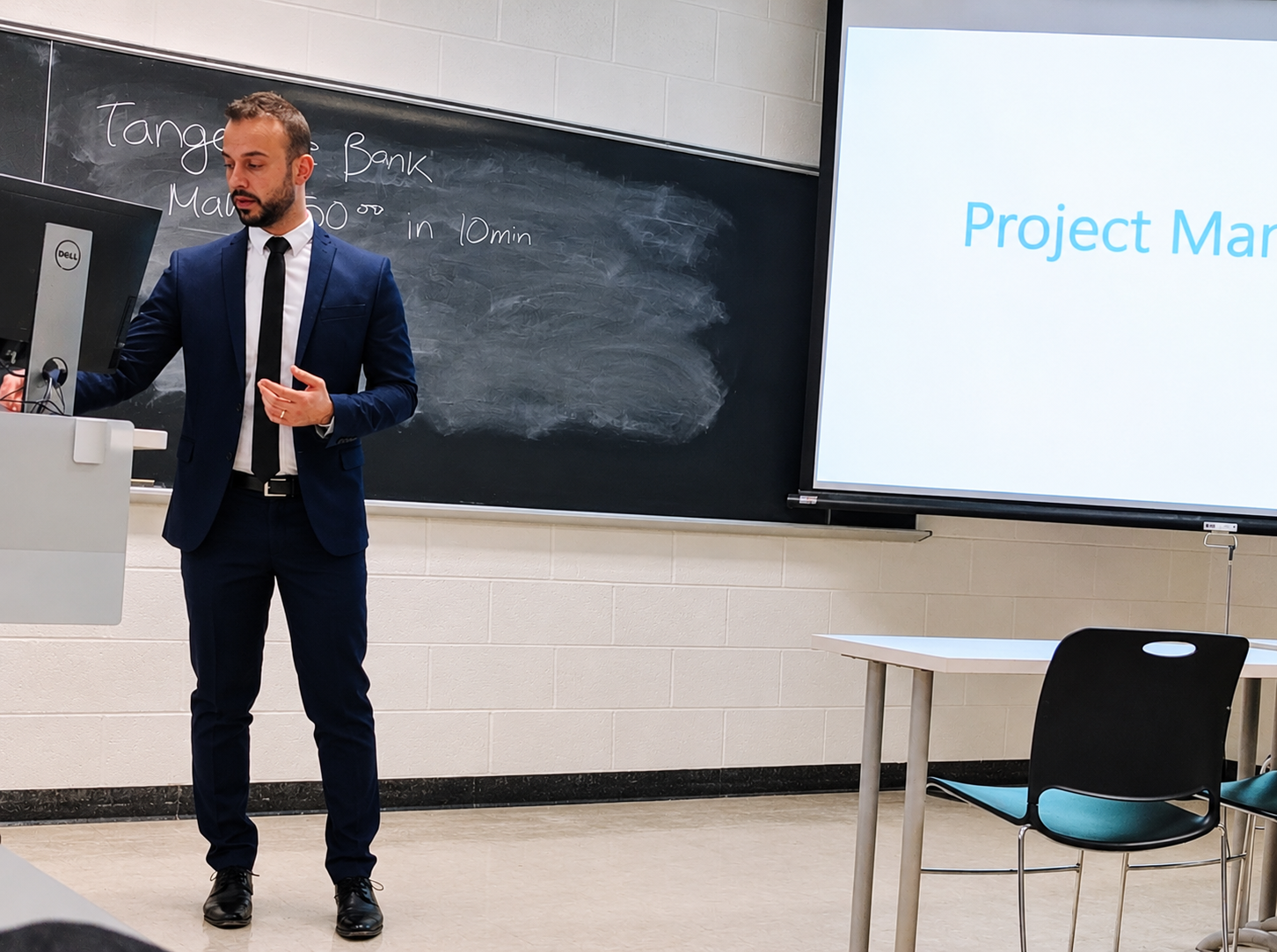
Throughout my career, I have managed and contributed to projects that required more than technical expertise. They demanded structured planning, stakeholder alignment, problem-solving, and the ability to turn operational needs into effective solutions.
These selected projects reflect my approach to delivery: understand the challenge, bring the right people together, develop a practical solution, and follow through from planning to implementation and handover.
TELUS — Battery Lifecycle Management
Process Improvement · Sustainability · Operational Efficiency
Project Overview
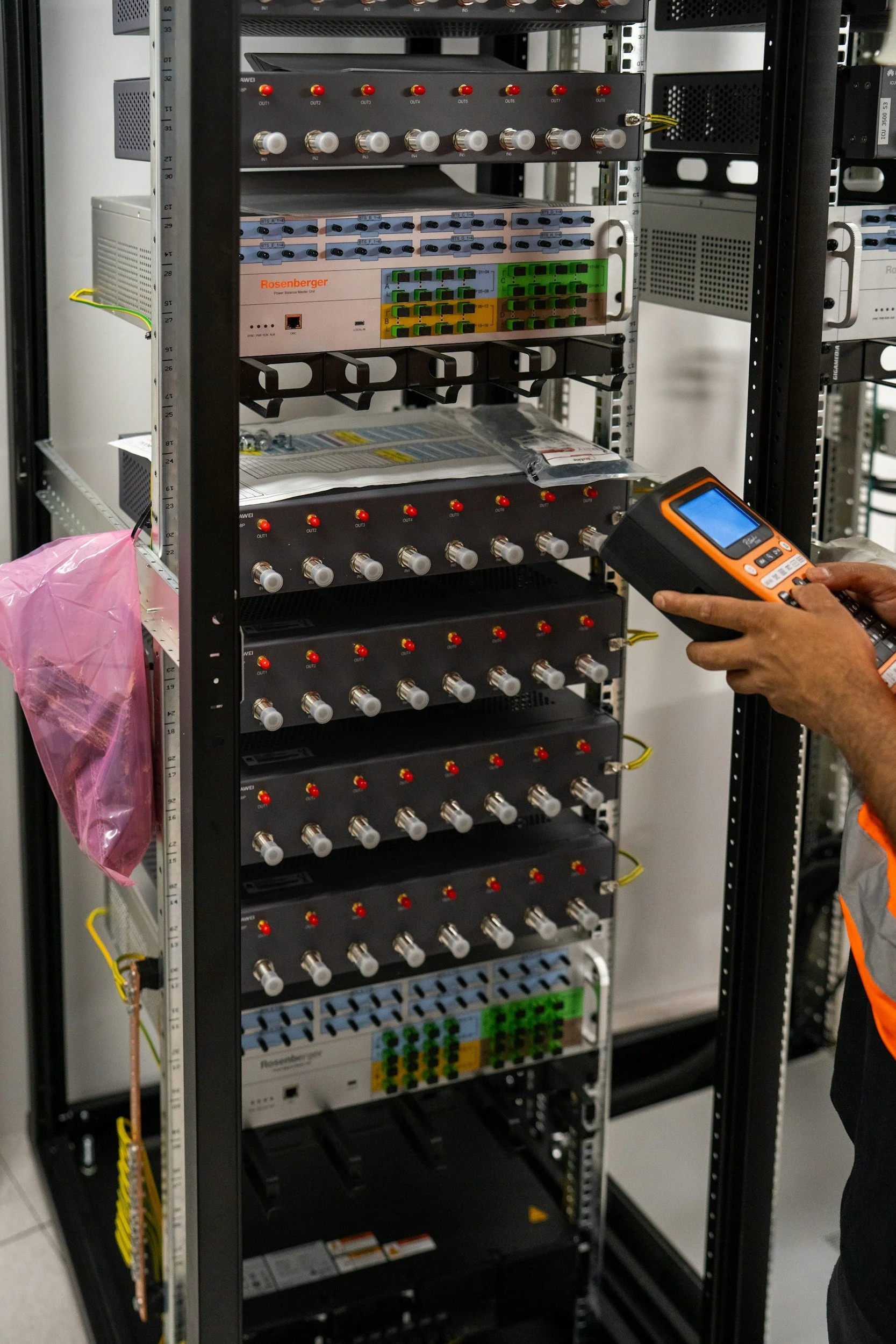
Telecommunications sites rely on backup batteries to maintain network availability during power outages. As part of TELUS’s annual battery replacement program, batteries reaching the end of their planned service life must be removed and replaced.
I developed a structured process to manage the lifecycle of removed batteries—ensuring they were properly tracked, tested, and either recycled or reused where appropriate.
The Challenge
Managing removed batteries across multiple sites involved several contractors, a battery vendor, and internal stakeholders. Without a consistent tracking and assessment process, it was difficult to maintain visibility over individual batteries, determine their condition, and identify opportunities for reuse or cost recovery.
The process needed to provide reliable traceability while supporting environmental responsibility and operational efficiency.
My Role
I developed the battery lifecycle management process, defining how batteries would be identified, transferred, assessed, tracked, and dispositioned.
My responsibilities included:
Establishing a tracking structure using site ID, battery rack number, and individual battery serial number.
Coordinating the process with the three contractors involved in the program.
Defining the information to be recorded by the battery vendor.
Establishing the assessment and disposition workflow.
Creating cloud-based tracking for visibility across stakeholders.
The Solution
The process established a consistent workflow for every removed battery.
Each battery was transferred to the vendor’s facility and recorded individually. The vendor maintained a record containing its manufacturing date, installation date, removal date, and conductance test results.
Based on age and condition, batteries were assessed for one of two outcomes:
Recycling: Batteries exceeding the applicable age threshold or failing the conductance assessment were designated for recycling. Their lead content could be recovered, creating monetary value while supporting responsible disposal.
Reuse: Batteries that remained within the applicable age criteria and demonstrated suitable conductance were identified for reuse at less critical telecommunications sites.
A cloud-based tracking system provided stakeholders with visibility into battery status, assessment results, and final disposition.
Value Delivered
The process created a more controlled and transparent approach to battery management by:
Improving traceability of individual batteries.
Supporting the recovery and reuse of suitable batteries.
Reducing avoidable battery replacement costs.
Recovering value from batteries designated for recycling.
Supporting environmental sustainability through reuse and material recovery.
Providing stakeholders with improved visibility through cloud-based tracking.
Key Capabilities Demonstrated
Process Design · Operational Improvement · Stakeholder Coordination · Asset Lifecycle Management · Sustainability · Cost Optimization
ZTE — TRX Intelligent Shutdown
Customer Solution Development · Network Optimization · Technical Delivery
Project Overview
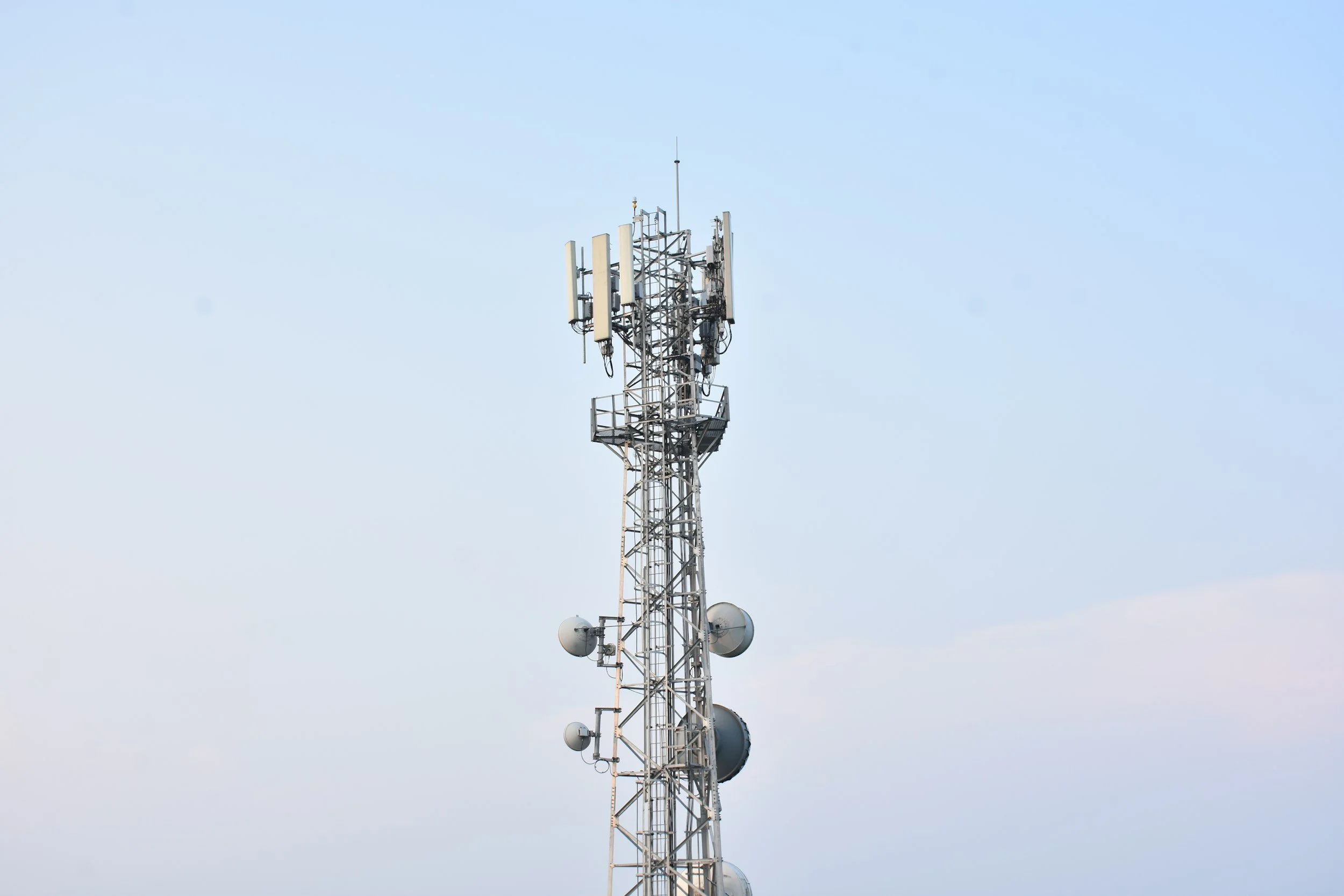
While working onsite at a Lebanese mobile operator’s headquarters, I identified an operational challenge affecting cellular network sites during power outages: backup batteries were draining rapidly, limiting the duration of network availability.
I brought the issue to ZTE’s technical team and worked with them to develop and introduce a solution using the TRX Intelligent Shutdown feature.
The Challenge
Cellular sites depend on backup batteries when the primary power supply is unavailable. During periods of low network traffic, some radio transceivers continue consuming power even when their capacity is not fully required.
The challenge was to reduce unnecessary power consumption during battery operation while maintaining appropriate network service.
My Role
My contribution combined customer engagement, solution development, and project delivery.
I was responsible for:
Identifying and understanding the customer’s operational challenge.
Communicating the requirement to ZTE’s technical team.
Collaborating with technical specialists to tailor the proposed solution.
Presenting the solution to the customer and explaining its operational benefits.
Coordinating a pilot implementation at a cellular site.
Supporting before-and-after benchmarking and customer review.
Obtaining customer approval and supporting delivery of the solution.
The Solution
The TRX Intelligent Shutdown feature was configured to reduce power consumption during periods of low traffic.
After midnight, when traffic fell below a defined threshold, selected transceivers on the site’s antennas could be automatically shut down.
When the site operated on battery backup, this reduced the number of active transceivers and helped lower power consumption, extending the available backup runtime.
The solution was introduced through a pilot, allowing the customer to evaluate its performance through before-and-after benchmarking before approving implementation.
Value Delivered
The feature was reported to reduce power consumption by approximately 25% under the applicable operating conditions, helping extend battery backup runtime during power outages.
The project demonstrated how identifying a customer’s operational need and connecting it with the right technical expertise could result in a practical network optimization solution.
Key Capabilities Demonstrated
Customer Needs Analysis · Consultative Solution Development · Technical Team Collaboration · Pilot Management · Performance Benchmarking · Customer Engagement
i-Vision Solutions — Centralized CCTV Surveillance System
Systems Integration · Multi-Site Project Delivery · Vendor & Stakeholder Management
Project Overview
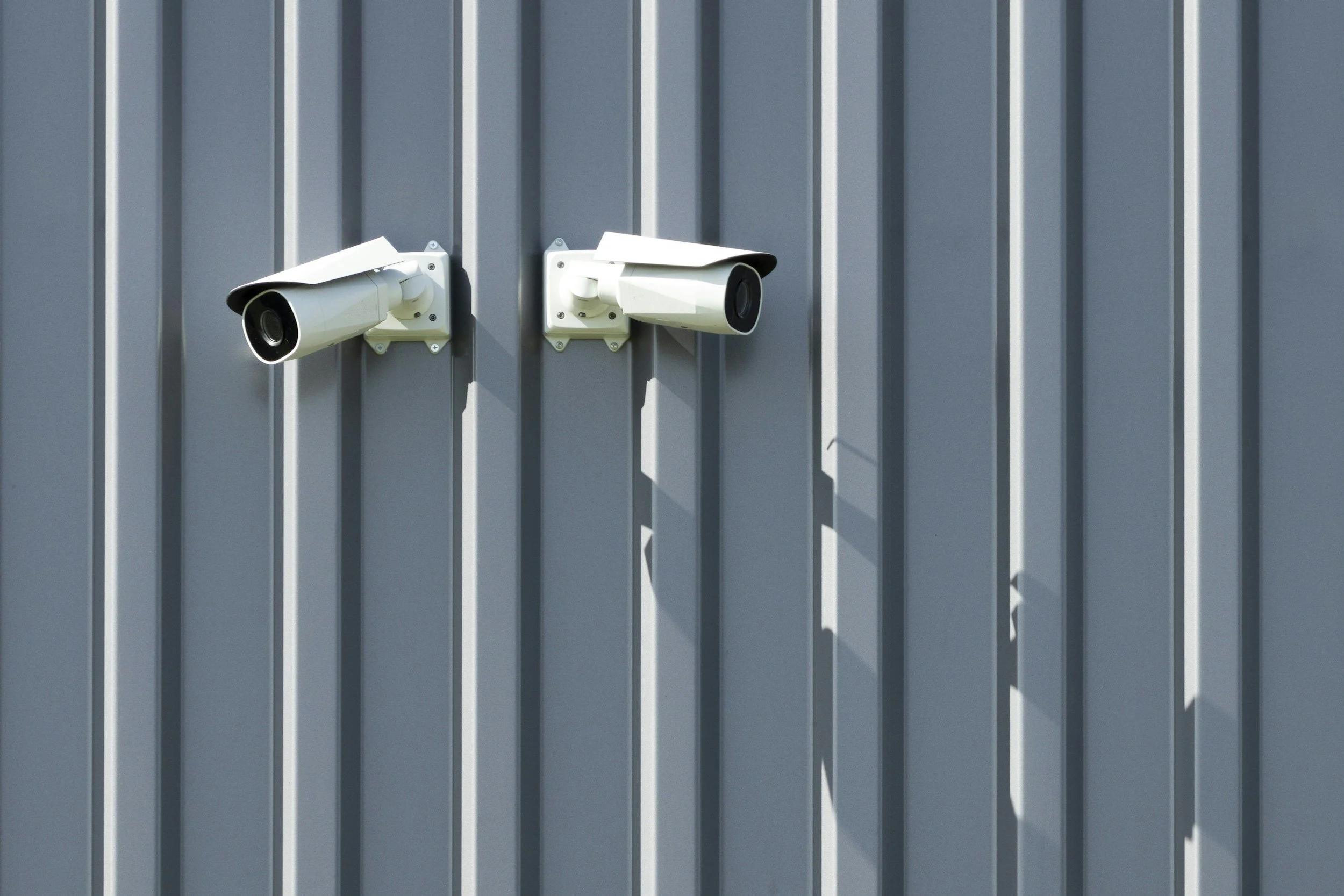
I led the deployment of an integrated video surveillance system for the Ministry of Environment in Qatar, covering four major locations across the country.
The project brought together multiple camera manufacturers, indoor and outdoor installations, and a centralized monitoring platform in Doha—requiring coordination across the client’s IT department, equipment vendors, and installation contractors.
The Challenge
The Ministry required a centralized monitoring capability across multiple facilities, each equipped with different types and brands of CCTV cameras.
The challenge was to integrate these diverse systems into a unified platform while coordinating equipment procurement, infrastructure requirements, installation activities, and stakeholder expectations across four locations.
My Role
I was responsible for managing the project from scope development through implementation and handover.
My responsibilities included:
Negotiating and defining the project scope with the Ministry’s IT department.
Developing the project schedule and communicating milestones to stakeholders.
Sourcing materials and equipment required for deployment.
Coordinating vendors, including Dell for the CCTV storage infrastructure and NVRs.
Managing the coordination of camera installation and cable-laying contractors.
Overseeing project execution, system handover, and user training.
Providing ongoing support following implementation.
The Solution
The system integrated multiple camera brands—including Axis, Bosch, and American Dynamics—with both indoor and outdoor installations across the four locations.
To provide centralized monitoring, I used the Milestone Video Management System (VMS) as the core platform, enabling the Ministry to manage the distributed camera infrastructure from a central monitoring location in Doha.
The deployment required coordination of the camera systems, storage infrastructure, network and cabling requirements, and installation activities to ensure the solution operated as an integrated system.
Value Delivered
The project delivered a centralized surveillance capability across the Ministry’s four locations and was completed ahead of schedule.
The implementation provided:
Centralized monitoring of a distributed CCTV infrastructure.
Integration of cameras from multiple manufacturers.
Coordinated deployment across four separate locations.
A structured handover supported by user training.
Ongoing technical support following project completion.
Key Capabilities Demonstrated
Project Scope Management · Schedule & Delivery Management · Systems Integration · Procurement & Vendor Coordination · Contractor Management · Client Engagement · Training & Handover